Vastu & Chitra Kala
Vastu Architect & Astrologer Yogiraj Sri
The Art of Creating Harmonious Spaces
The relationship between Vastu Shastra (the ancient science of architecture and spatial design) and Chitra Kala (the fine art of painting and visual representation) is deeply rooted in traditional Indian design treatises.
In classical treatises like the Vishnudharmottara Purana (specifically the Chitrasutra section), Samarangana Sutradhara, and Aparajitaprichha, Chitra Kala is treated as an integral, dynamic extension of Vastu Shastra.
Vastu shapes the physical shell (walls, rooms, directional grids), while Chitra Kala governs the vibrational and visual content placed upon those surfaces to modulate psychological mood, visual harmony, and subtle energetic balance.
Vastu Shastra considers the direction, purpose, and character of each space. Chitra Kala can complement these principles through carefully selected artwork, colors, themes, and imagery.
In essence, Vastu Shastra provides the architectural skeleton, while Chitra Kala provides the emotive skin. When paintings are aligned with Vastu principles, artwork transforms from simple visual decoration into a deliberate spatial tool for environmental balance, mental well-being, and aesthetic resonance.
Toronto Vastu Consultant Online
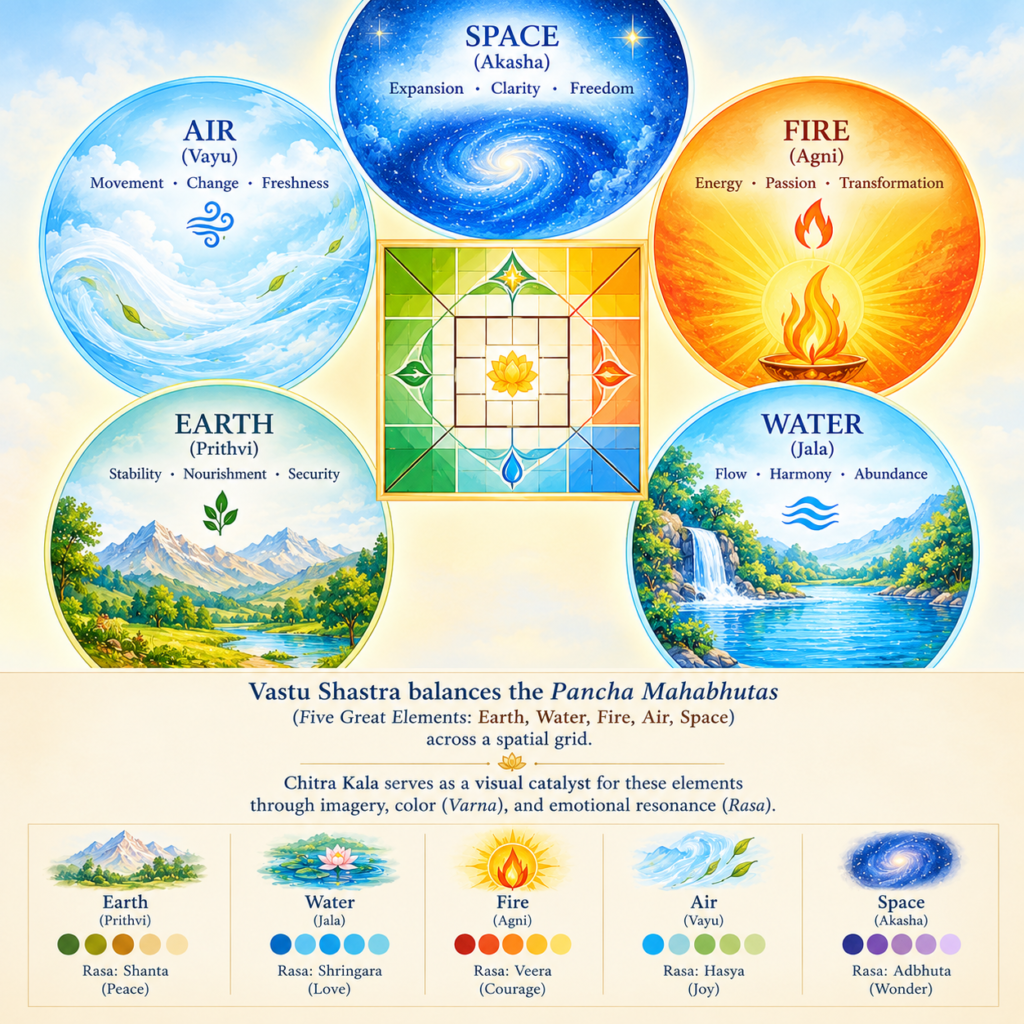
Bhava & Rasa (Philosophical Connection: The Expression of Energy)
Vastu Shastra balances the Pancha Mahabhutas (Five Great Elements: Earth, Water, Fire, Air, Space) across a spatial grid. Chitra Kala serves as a visual catalyst for these elements through imagery, color (Varna), and emotional resonance (Rasa).
- Visual Affirmation: What a person looks at daily on their walls subtly shapes subconscious thought patterns, stress levels, and focus.
- Translating Elements: A painting depicting flowing water visualizes the Water element (Jala); a painting of a sunrise or fire visualizes the Fire element (Agni).
Varna Vidhana (Color Harmony)
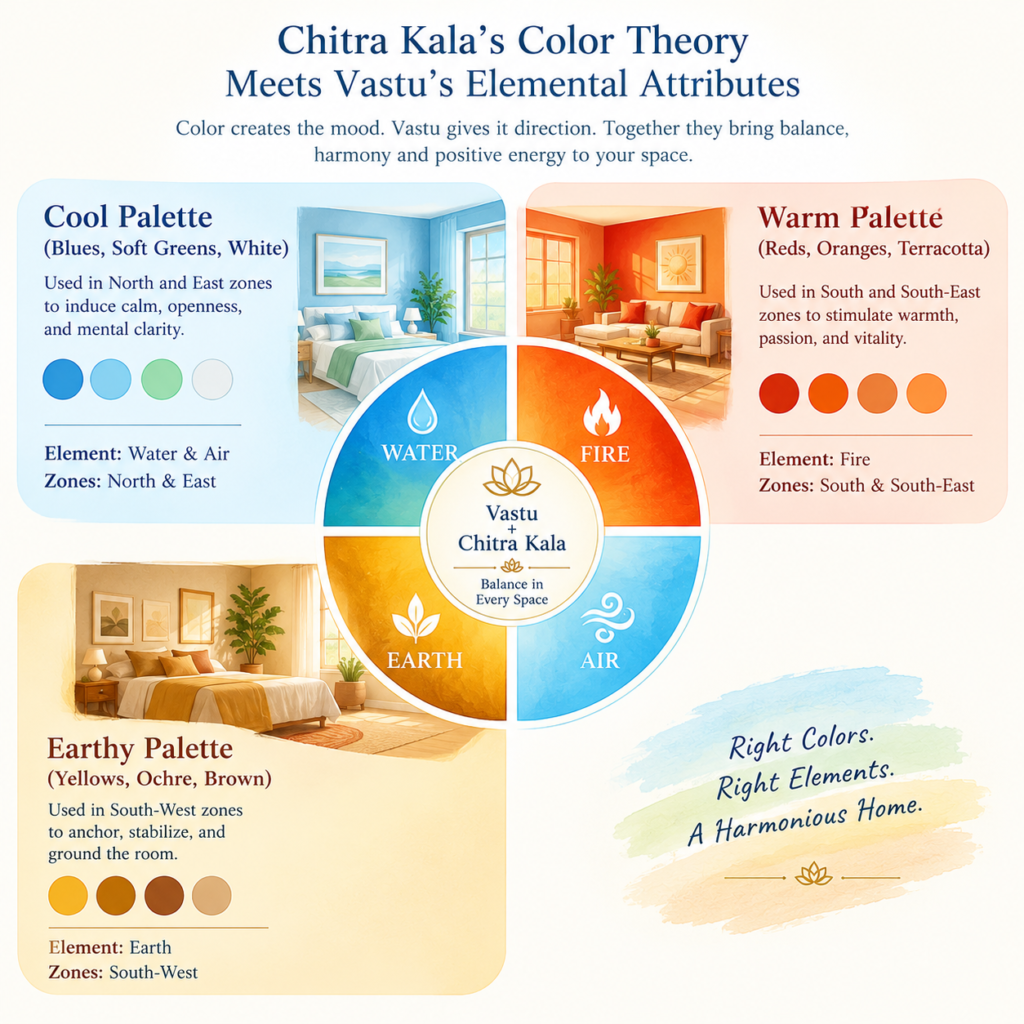
Chitra Kala’s color theory directly intersects with Vastu’s elemental attributes:
- Cool Palette (Blues, Soft Greens, White): Used in North and East zones to induce calm, openness, and mental clarity.
- Warm Palette (Reds, Oranges, Terracotta): Used in South and South-East zones to stimulate warmth, passion, and vitality.
- Earthy Palette (Yellows, Ochre, Brown): Used in South-West zones to anchor, stabilize, and ground the room.
Chitra Vastu (Directional Alignment of Art)
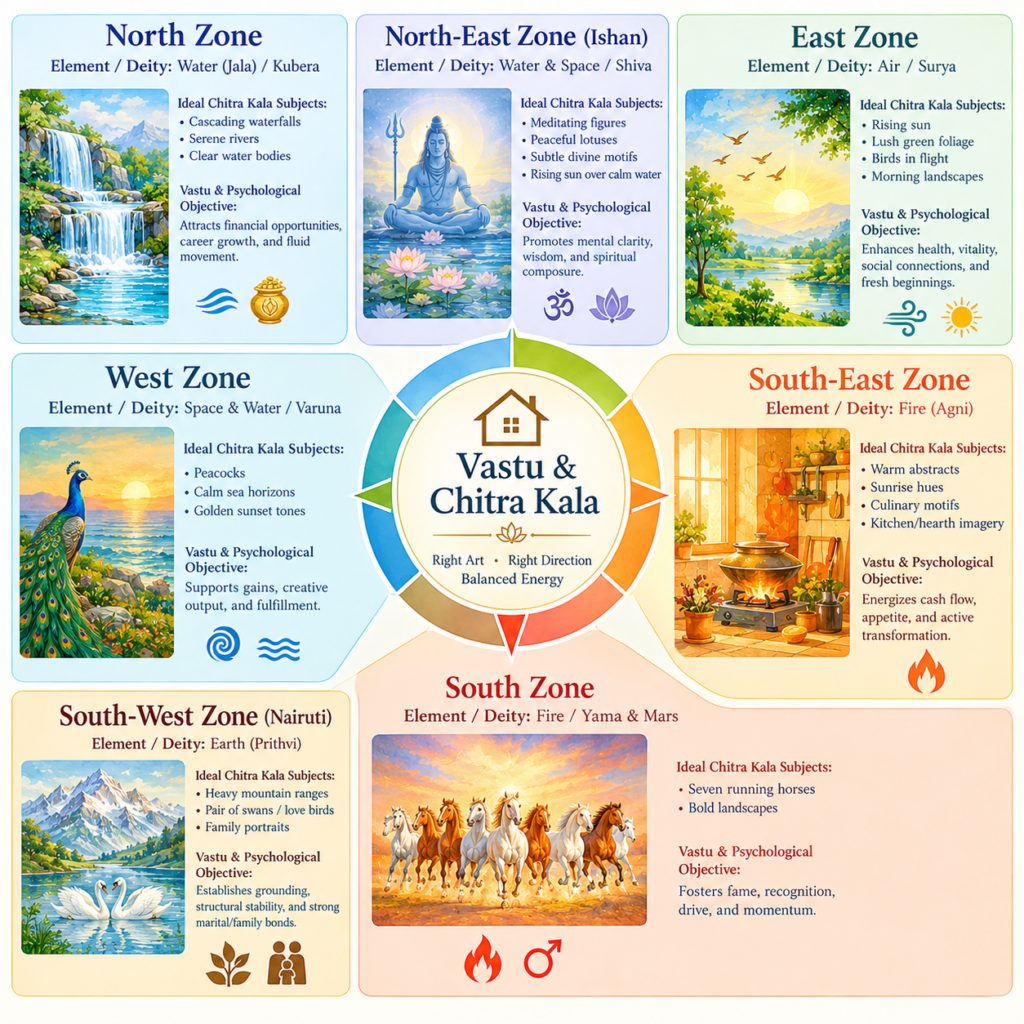
In traditional and modern Vastu practices, specific visual themes (Chitra) are aligned with directional zones to amplify or balance the specific energy of that direction:
- NORTH ZONE
- Element / Deity: Water (Jala) / Kubera
- Ideal Chitra Kala Subjects: Cascading waterfalls, serene rivers, clear water bodies
- Vastu & Psychological Objective: Attracts financial opportunities, career growth, and fluid movement.
- NORTH-EAST ZONE (ISHAN)
- Element / Deity: Water & Space / Shiva
- Ideal Chitra Kala Subjects: Meditating figures, peaceful lotuses, subtle divine motifs, rising sun over calm water
- Vastu & Psychological Objective: Promotes mental clarity, wisdom, and spiritual composure.
- EAST ZONE
- Element / Deity: Air / Surya
- Ideal Chitra Kala Subjects: Rising sun, lush green foliage, birds in flight, morning landscapes
- Vastu & Psychological Objective: Enhances health, vitality, social connections, and fresh beginnings.
- SOUTH-EAST ZONE
- Element / Deity: Fire (Agni)
- Ideal Chitra Kala Subjects: Warm abstracts, sunrise hues, culinary motifs, kitchen/hearth imagery
- Vastu & Psychological Objective: Energizes cash flow, appetite, and active transformation.
- SOUTH ZONE
- Element / Deity: Fire / Yama & Mars
- Ideal Chitra Kala Subjects: Seven running horses (galloping into the room), bold landscapes
- Vastu & Psychological Objective: Fosters fame, recognition, drive, and momentum.
- SOUTH-WEST ZONE (NAIRUTI)
- Element / Deity: Earth (Prithvi)
- Ideal Chitra Kala Subjects: Heavy mountain ranges, pair of swans/love birds, family portraits
- Vastu & Psychological Objective: Establishes grounding, structural stability, and strong marital/family bonds.
- WEST ZONE
- Element / Deity: Space & Water / Varuna
- Ideal Chitra Kala Subjects: Peacocks, calm sea horizons, golden sunset tones
- Vastu & Psychological Objective: Supports gains, creative output, and fulfillment.
Asubha Chitra (Imagery to Avoid)
Classical treatises on Vastu Shastra strictly list certain themes of Chitra Kala to avoid in residential interiors, as negative visual input creates stagnant or disharmonious environments:
- Depictions of Conflict & Agony: Scenes of war (e.g., Mahabharata battle scenes), violence, or wild predatory animals in aggressive postures.
- Solitude & Desolation: Paintings of solitary figures, barren trees, dry landscapes, or crying faces (creates feelings of isolation or sadness).
- Stagnation & Decay: Sinking ships, stagnant swamp water, broken structures, or fading light/sunsets in active growth areas.
TORONTO VASTU ARCHITECT & VASTU CONSULTANT ONLINE
Vastu Architect and Astrologer Yogiraj Sri Sandeep Singh
is with a singular mission:
for TOTAL WELL BEING OF THE WORLDS.
• MIND SPACE SYNERGY: What hangs on your walls directly shapes your daily mood, focus, and emotional well-being.
• WALLS SPEAK: Bare surfaces drain energy; curated Vastu art activates and animates your entire home.
• PURPOSEFUL DECOR: Each piece is an energetic symbol engineered to draw peace, success, stability, and abundance into your life.

SOUTH WALL: SEVEN HORSES ART
Always position the artwork so the horses charge inward toward the living space, anchoring strength, power, and success within your home.
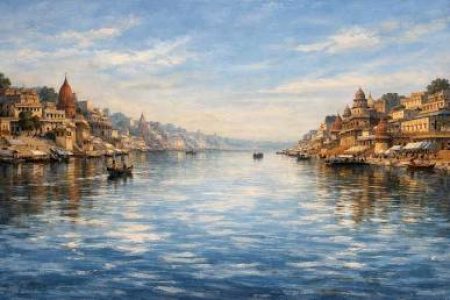
NORTH WALL: CALM WATER ART
A waterfall painting represents continuous abundance and active prosperity—making it one of the most sought-after Vastu features for a home.
Optimal Placement: Position this artwork on the North wall (the sector of Kubera, governing wealth and opportunity) or the North-East wall (the natural zone of the Water element).
Key Visuals: Choose a scene with a full, steady stream flowing into a clear, tranquil pool to signify wealth accumulation rather than depletion.
What to Avoid: Keep water features completely off South, South-East, and South-West walls, where water clashes with the governing Fire and Earth elements.
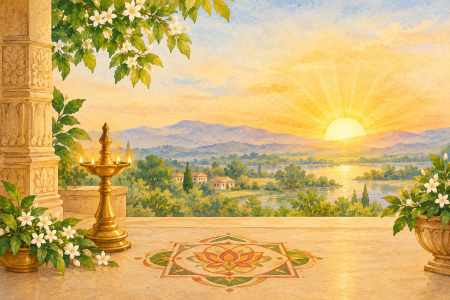
EAST WALL: SUNRISE ART
A painting of the sun rising over the horizon symbolizes fresh vitality, vibrant health, and continuous personal growth.
- Optimal Placement: Position this artwork on the East wall—the sacred direction of Surya (the Sun)—to capture and magnify morning energy.
- Color & Tone: Choose artwork rendered in warm golds, radiant oranges, or soft crimson hues.
- What to Avoid: Steer clear of fading sunsets or dim twilight scenes in this zone, as lingering darkness dampens the energy of new beginnings.

WEST WALL: PEACOCK ART
With its striking plumage and peaceful stance, the peacock is a timeless symbol of charm, luxury, and abundance. Placed in the West sector—the zone of Varuna—it enhances creative vision and invites rewarding outcomes into your personal or professional life. Choose art rendered in soft, natural peacock blues and rich earthy greens to create an atmosphere of effortless confidence and poise.

NORTH-EAST ISHAN: WHITE LOTUS ART
Emerging immaculate from calm waters, the lotus stands as a sacred symbol of spiritual purity, divine grace, and the blessings of Goddess Lakshmi.
Optimal Placement: Position this artwork in the North-East corner (Ishan Kone)—the sacred zone of high vibrational energy—or within your Pooja room to cultivate absolute stillness.
Visual Elements: Choose fully bloomed pink or pristine white blossoms rather than tightly closed buds to represent expanded consciousness and flowering potential.
Atmospheric Impact: Fosters deep mental clarity, inner peace, and divine harmony throughout the living space.