TORONTO VASTU ARCHITECT
Vastu Architect & Astrologer Yogiraj Sri
VASTU for HOME
Toronto Vastu Consultant Online
FOR HEALTH, WEALTH AND WELLNESS IN YOUR LIFE
VASTU SHASTRA & WELLNESS ARCHITECTURE
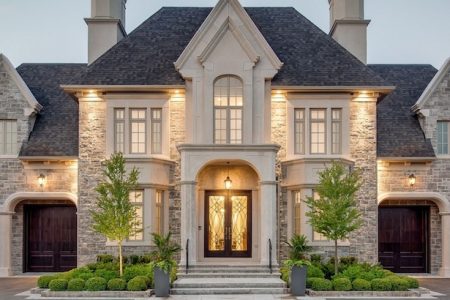
VASTU for North facing Home
North-facing properties are naturally Governed by Kuber (the Lord of Wealth) and Mercury (the planet of business and intellect). When designed according to Vastu Shastra, a North-facing home attracts financial growth, career opportunities, and mental clarity.
1. Main Entrance (Energy Gateway)
Best Auspicious Zones: Position the main door in the northern energy fields (Pada) known as Mukhya, Bhallat, or Soma.
Key Guidelines: Ensure the entryway is attractive, bright, and free from direct shadow obstructions, trees, or clutter.
2. Puja Room (Spiritual Sanctuary)
Primary Location: North-East zone (Ishaan Kon), the source of high cosmic vibrations.
Secondary Choice: West zone (if North-East space is unavailable).
3. Bedrooms (Rest & Stability)
Master Bedroom: South-West zone to provide stability, authority, and emotional harmony for the head of the household.
Additional Bedrooms: Can be planned in the South, West, East, or North-West zones.
4. Kitchen (Fire Element Placement)
Primary Locations: South-East (Agni Kon), South-South-East, or South.
Secondary Locations: West or North-West.
Cooking Orientation: The person cooking should always face East.
5. Living & Drawing Rooms (Hospitality & Social Flow)
Drawing Room (Visitors): North, North-West, or North-East zones to encourage pleasant social interactions.
Family Living Room: East zone (ideal), or alternatively West or South zones.
6. Study Room (Focus & Academic Growth)
Best Locations: West-of-South-West (WSW) for maximum memory retention and focus, or the North-East zone.
7. Staircase (Structural Balance)
Duplex Homes: Place in the South, West, or East zones.
Flat Configurations: Can be positioned in the Northern sector.
Important Rule: Build staircases with an odd number of steps (e.g., 15, 17, 19, or 21, including the landing).
8. Toilets & Bathrooms (Disposal Zones)
Best Locations: South-of-South-West (SSW) or West-of-North-West (WNW) to ensure negative waste energy is properly drained away.

Do's for a North facing Home
North-facing properties are naturally aligned with Lord Kuber (wealth) and Mercury (intellect and commerce). Following these foundational Vastu guidelines helps maximize cash flow, family health, and positive energy throughout the living space.
1. Main Entrance & Sacred Symbols
Auspicious Door Placement: Position the main doorway in the 5th Pada (Soma) for maximum prosperity and peace. Alternatively, the 3rd (Mukhya), 4th (Bhallat), or 8th (Aditi) energy fields are also highly favorable.
Positive Energy Anchors: Place auspicious Vastu symbols such as the Swastika, Om, or Trishul near the main door or entryway to protect the home’s energy perimeter.
2. Essential Room Placements
Puja Room (Spiritual Hub): Locate the prayer space in the North-East (Ishaan Kon), East, or West zone.
Living Room (Social Area): Design the main living room in the North or North-East to welcome fresh, harmonious energy and opportunities.
Master Bedroom (Stability): Position the master bedroom in the South-West (or along the South/West zones) to ensure leadership, stability, and peaceful rest.
3. Utilities, Sanitation & Electrical Alignment
Electrical Panels: Install the main electric circuit board, meter box, and heavy power units in the South-East (Agni Kon) to maintain safe energy balance.
Sanitation & Disposal Placement: Locate toilets and septic tanks in disposal zones such as the West-of-North-West (WNW), South-of-South-West (SSW), or North-West (NW).
> Vastu Note: Toilets and septic tanks should never be placed in the North-East or East corners, as waste elements in these zones severely disrupt spiritual clarity and family health.
4. Landscape, Elevation & Wealth Attractions
Plot Elevation & Slope: Ensure the land level naturally slopes downward from South to North (or South-West to North-East) to allow prosperity energy to flow smoothly.
Boundary Walls: Build a shorter, lighter boundary wall along the North-East perimeter, keeping the South and West boundary walls taller and thicker.
Wealth Activator: Place a healthy green Money Plant in a clear or blue glass container in the North zone to enhance financial growth and career stability.
Don't for a North facing Home
While North-facing properties offer incredible financial potential, making critical spatial errors can block the flow of positive energy. Avoid these common Vastu pitfalls to protect your home from health issues, financial stress, and elemental imbalances.
1. Main Entrance & Entryway Pitfalls
Avoid the 6th Pada (Diti): Do not place the main door in the 6th energy grid along the North facade, as this specific zone can trigger recurring health issues.
Eliminate Doorway Obstructions (Dwara Vedha): Ensure the front entrance is not directly blocked by light poles, electric transformers, tall trees, or trash bins.
2. Critical North-East Zone (Ishaan Kon) Mistakes
No Toilets or Washrooms: Never build a bathroom or septic tank in the North-East corner. Waste disposal in this sacred sector leads to financial loss and mental distress.
No Kitchens: Avoid placing cooking stoves or kitchens in the North-East, as the Fire element severely clashes with the North-East Water element.
No Heavy Bedrooms: Do not assign the master or primary bedroom to the North-East, as it creates energy restlessness.
3. Color & Mirror Missteps
Avoid Fire & Earth Colors in the North: Do not paint northern interior or exterior walls with red, maroon, dark yellow, or bright orange. These shades represent Fire and Earth, which suppress the North’s natural Water element.
No Mirrors on South/South-East Walls: Avoid hanging mirrors on southern walls. Water-element mirrors reflecting Fire zones cause energetic conflicts and sudden expenses.
4. North-West & Landscaping Errors
No Underground Water Tanks in NW: Never dig underground water storage or septic tanks in the North-West zone.
Avoid Dense Greenery in the North-West: Keep the North-West free from heavy, dense gardens or large potted plant clusters.
No Large Trees in the Direct North: Avoid planting tall, broad trees in the North, as they block beneficial solar and magnetic energy rays from entering your property.
5. Property Purchase Rule
Don’t Buy on Orientation Alone: Never buy a property strictly because it is marketed as “North-facing.” Always verify that the internal layout, kitchen position, master bedroom, and entrance Padas are Vastu-compliant before finalizing the purchase.

VASTU for South facing Home
South-facing properties are often misunderstood as inauspicious, but in Vastu Shastra, a well-aligned South-facing home is a powerhouse for fame, career growth, authority, and wealth creation. Success depends on utilizing the correct energy zones (Padas) along the southern perimeter.
1. Main Entrance (Selecting the Right Energy Pada)
Out of the 8 energy fields (Padas S1 to S8) along the southern facade, only two provide maximum prosperity:
Best Auspicious Padas (S3 & S4):
Vithatha (S3): Brings steady financial growth and career advancement.
Gruhakshat (S4): Attracts immense fame, public recognition, and success—especially for actors, media professionals, and public figures.
Avoid Other Southern Padas (S1, S2, S5 to S8): Placing the main door in these zones can lead to unexpected expenses, health issues, or legal disputes.
2. Master & Secondary Bedrooms
Master Bedroom: Position in the South-West or West zone to provide stability, authority, and long-term peace for the head of the family.
Children’s Bedroom: Best placed in the North-East or East zones to support mental clarity and learning.
Guest Bedroom: Ideal in the North-West zone to encourage comfortable, transient stays.
3. Kitchen Placement (Fire Element Alignment)
Primary Choice (South-East): Position the kitchen in the South-East (Agni Kon) to harmonize cooking fire with solar energy, ensuring robust health for the family.
Secondary Choice (North-West): If the South-East is unavailable, the North-West serves as an effective secondary zone.
Cooking Direction: Always face East while cooking.
4. Puja Room (Spiritual Energy Center)
Best Locations: Build the prayer room in the North-East (Ishaan Kon) or West zones.
Space-Saving Alternative: If space is limited, set up a clean, elevated altar in the North-West corner of the living room.
5. Toilet, Septic Tank & Water Drainage
Toilet Placement: Best located in the West-of-North-West (WNW) zone to ensure waste energy drains away without disturbing living spaces.
Septic Tank: Position in the South-of-South-West (SSW) zone.
Water Outlets & Storage Warning: Never place underground water tanks, borewells, or heavy drainage outlets in the southern half of the property, as this can trigger financial losses or legal conflicts.
6. Staircase Positioning
Ideal Zones: Build staircases in the South, West, North-West, or South-West zones.
Key Rules: Ensure staircases ascend in a clockwise direction, have an odd number of steps (e.g., 15, 17, 19), and keep the space underneath completely free from toilets or study desks.
7. Site Slope & Elevation Balance
Elevation Rule: The southern side of the property must always be higher and heavier than the northern and eastern sides.
Slope Direction: Ensure ground level slopes downward toward the North, East, or North-East to allow natural energy and rainwater to flow smoothly.
8. Recommended Exterior & Interior Colors
Front Facade (Exterior): Use warm, light shades such as light orange, warm peach, corals, beige, or off-white.
Colors to Strictly Avoid: Do not paint the southern exterior facade in black, dark blue, or dark grey, as these clash with the South’s fire element.
Do's for South facing Home
Unlocking the full potential of a South-facing property relies on balancing heavy structural elements with smooth energy flow. Following these foundational practices ensures financial stability, health, and positive energy throughout the home.
1. Open Spaces & Landscaping
Designate Open Areas in North & East: Keep maximum open space, lawns, and balconies towards the North and East sides to invite fresh morning sunlight and positive magnetic energy.
Specific Garden Placement: If you want a private garden or green area, place it strictly along the South-East or South perimeter.
2. Kitchen & Culinary Orientation
Face East While Cooking: Position your kitchen cooktop so that the person cooking always faces East. This aligns food preparation with morning solar energy, supporting overall family vitality and digestion.
3. Structural Elevation & Wall Dimensions
Thicker, Taller Southern Walls: Always build thicker, taller boundary and exterior walls along the South and South-West sides. Keeping the southern boundary heavier than the northern boundary grounds the property’s stability and protects against harsh afternoon solar radiation.
Don't for South facing Home
While a well-aligned South-facing property can bring fame, authority, and financial growth, spatial missteps in this direction can create significant energy imbalances. Avoid these essential Vastu errors to keep your home stable, harmonious, and prosperous.
1. Entrance & Site Selection Pitfalls
Avoid South-West Entrances: Never construct the main door in the South-West corner (Nairitya). Placement in this zone can lead to severe financial instability, unexpected expenses, and health issues.
Avoid T-Junction Plots (Veethi Shoola): Do not purchase a South-facing house situated directly at the head of a T-junction or crossroad, as oncoming energy thrusts create persistent emotional friction.
Never Slope Land North-to-South: Avoid properties where the ground slopes downward from North toward the South. The land should always slope downward toward the North or East to retain wealth energy.
2. Room Layout & Utility Errors
No Kitchens in South-West or North-East: Never place the kitchen in the South-West (Earth zone) or North-East (Water zone). Kitchen fire in these sectors disrupts household finances and family wellness.
Keep the Center (Brahmasthan) Clear: Never construct a staircase, heavy pillar, or wall in the exact center of the house. The Brahmasthan must remain open, light, and uncluttered.
Avoid Southern Parking Lots: Do not locate open carports or parking slots in the direct southern corner; parking is best suited for the North-West or West sectors.
3. Landscaping & Interior Decor Missteps
No Gardens in the South-West: Do not place lawns, gardens, or heavy potted plants in the South-West corner. Keep this zone heavy, closed, and structurally elevated rather than open and green.
Avoid Unplanned Mirror Placements: Never hang mirrors randomly on southern walls or directly facing the main entrance, as improper reflections cause chaotic energy clashes within the home.
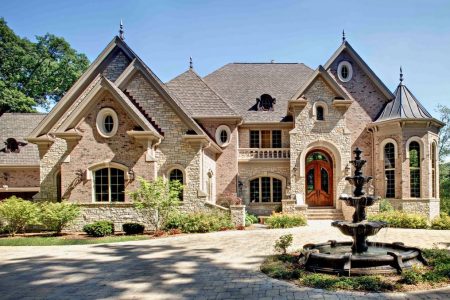
VASTU for East facing Home
East-facing homes are naturally blessed with early morning sunlight—the ultimate source of solar energy, health, and vitality. Governed by the Sun (Surya), an East-facing property designed according to Vastu Shastra promotes excellent communication skills, financial growth, social respect, and long-term well-being for the family.
1. Main Entrance (Selecting Auspicious Padas)
Along the eastern facade, the 32-Pada grid divides the wall into 8 energy fields (E1 to E8). Selecting the right doorway position ensures maximum health and prosperity:
Best Auspicious Padas (E3 & E4):
Jayanta (E3): Invites happiness, structural strength, and continuous career growth.
Indra / Mahendra (E4): Attracts social influence, authority, prosperity, and mental clarity.
Zones to Avoid: Avoid placing the main entrance in other eastern energy fields (E1, E2, E5 to E8), as improper alignment can lead to unnecessary disputes, health problems, or financial stress.
2. Master Bedroom & Bed Orientation
Master Bedroom Location: Position the master bedroom in the South-West zone to ensure relationship stability, financial control, and leadership within the family.
Sleeping Direction: Align the bed so that your head points toward the South or West while sleeping, leaving feet pointing North or East.
Avoid: Do not place the master bedroom in the North-East or East zones.
3. Kitchen Placement & Decor Balance
Primary Choice (South-East): Position the kitchen in the South-East (Agni Kon) to align cooking fire with solar energy, encouraging strong digestion, vitality, and steady liquidity.
Secondary Choice (North-West): If the South-East is unavailable, the North-West serves as an effective secondary kitchen zone.
Recommended Tile Colors: Use warm earth and fire accents such as terracotta, soft pink, peach, light orange, or mild green.
Zones to Avoid: Never place the kitchen in the North-East, North, or South-West zones.
4. Puja Room (Spiritual Center)
Primary Locations: Build the mandir in the North-East (Ishaan Kon) or East zones to absorb beneficial solar vibrations.
Alternative Choice: If space is constrained, the West zone serves as an excellent secondary location for spiritual growth and wealth.
Color Balance Tip: Avoid overusing heavy reds or dark yellows in the puja room, as harsh colors can cause mental fatigue. Opt for muted cream, light yellow, or soft white tones.
5. Toilet & Disposal Zones
Ideal Placement: Position toilets in disposal zones such as East-of-South-East (ESE), South-of-South-West (SSW), or West-of-North-West (WNW).
Zones to Strictly Avoid: Never place bathrooms in the North-East or South-East corners, as doing so disrupts core energy centers and can trigger financial or legal complications.
6. Staircase Positioning
Ideal Zones: Build staircases in the South, South-West, West, or South-East sectors.
Zone to Avoid: Never build a staircase in the North-East corner, as heavy structural weight here blocks spiritual light and mental clarity.
7. Site Slope & Sunlight Optimization
Slope Rule: Ensure the ground level slopes downward from South-West to North-East. The southern and western areas should always remain slightly higher than the northern and eastern zones.
Water Tank Placement: Overhead tanks belong in the West or South-West, while underground water storage is best positioned in the North-East or East.
8. Recommended Wall Colors
Because East-facing homes receive abundant natural heat and daylight throughout the morning, cooling and soothing interior shades work best:
Recommended Colors: Light green, aqua blue, soft white, light pink, and subtle neutral grey.
Atmospheric Benefit: These shades maintain a fresh, balanced, and calming ambiance across all living areas
Do's for East facing Home
East-facing homes are blessed with the invigorating energy of the rising sun. Following these core Vastu practices optimizes early solar radiation, enhances communication skills, and fosters prosperity across the entire household.
1. Directional Accuracy & Site Slope
Verify True North/East: Always verify your cardinal directions using a magnetic compass rather than assuming road orientation, ensuring precise room alignment.
Plot Elevation: Ensure the land level slopes gently downward from South to North (or South-West to North-East) to allow financial and positive atmospheric energy to flow freely.
2. Wall Dimensions & Eastern Openings
Wall Proportions: Construct slightly shorter and thinner boundary walls along the North and East perimeters, while keeping South and West walls taller and thicker for structural and energetic stability.
Open Space Alignment: Maintain open, uncluttered space on the eastern side of your home. If space is limited, include a balcony or wide windows along the East facade to capture beneficial morning sunlight.
3. Living Spaces & Culinary Orientation
Living Room Placement: Position the main living room in the North-East (Ishaan Kon) to create an inviting, energetic atmosphere for guests and family.
Cooking Orientation: Face East while cooking if your kitchen is in the South-East (Agni Kon). If positioned in the North-West, face West while preparing meals.
Don't for East facing Home
East-facing homes are designed to harness the vital energy of the morning sun. However, improper spatial planning can block these solar vibrations. Avoid these key Vastu errors to keep positive energy flowing continuously through your property.
1. Entrance & Entryway Restrictions
Avoid Entrance Obstructions (Dwara Vedha): Never position the main door directly behind light poles, electric transformers, or large trees. Physical blockages prevent beneficial energies from entering the house.
Keep Entryways Clean: Avoid placing dustbins, trash piles, or clutter outside the main door or along the North and North-East perimeters.
2. Sacred Zone Errors (Ishaan Kon)
No Toilets or Septic Tanks in North-East: Never place bathrooms or waste management tanks in the North-East corner. Waste in this sacred sector causes financial strain, health complications, and mental stress.
3. Plot Elevation & Landscaping Mistakes
Avoid North-to-South Plot Slopes: Do not purchase a property where the land slopes downward from North to South. Ground levels must always slope downward toward the North or East to retain wealth energy.
Avoid Large Trees in North & East: Do not plant tall, heavy trees along the Northern or Eastern boundaries, as they block essential morning sunlight.
> Non-Destructive Remedy: If large trees are already established on your property, there is no need to cut them down. Non-destructive elemental balancing remedies can neutralize energy blockages without harming nature.

VASTU for West facing Home
West-facing homes are Governed by Lord Varuna (the deity of cosmic order, water, and space) and influenced by Saturn (Shani). Contrary to popular belief, a west-facing property can bring immense wealth, professional authority, and business growth when aligned correctly according to Vastu Shastra.
1. Main Entrance (Selecting Auspicious Padas)
Along the western facade, the 32-Pada Vastu Purusha grid includes 8 energy zones (W1 to W8). Positioning your doorway in the correct zone ensures continuous financial returns:
Best Auspicious Padas (W3 & W4):
Sugriva (W3): Drives substantial financial gains, wealth accumulation, and business growth.
Pushpdanta (W4): Invites prosperity, family blessings, and career advancement.
Key Design Rules:
Enhance a west-facing doorway with metallic touches, such as a brass or stainless steel nameplate and doorbell.
Keep the entrance well-lit, clutter-free, and clear of dustbins or broken items.
2. Master & Secondary Bedrooms
Master Bedroom: Position in the South-West zone (Nairitya) to establish authority, leadership, and marital stability for the primary couple.
Children’s & Guest Bedrooms: Ideal in the North-West, West, or South zones to foster healthy routines and independence.
3. Kitchen Placement (Fire Element Balance)
Primary Choice (South-East): Place the kitchen in the South-East (Agni Kon) to maintain a healthy balance between fire and spatial energies.
Cooking Orientation: Set up the cooktop so the person cooking always faces East.
Zone to Avoid: Never place the kitchen in the North-East zone, as fire in this sector disrupts mental peace and physical health.
4. Puja Room (Spiritual Alignment)
Primary Location: Build the mandir in the North-East (Ishaan Kon) zone—the highest energy sector of the home.
Alternative Choice: If space is limited, create a clean, dedicated shrine on the north-eastern side of the living room, ensuring you face East while praying.
5. Toilet & Septic Tank Placement
Toilet Placement: Best located in disposal zones like West-of-North-West (WNW), South-of-South-West (SSW), or East-of-South-East (ESE).
Septic Tank: Position in SSW or WNW. Avoid placing septic tanks in the front yard of a west-facing house to prevent energy blockages.
6. Staircase Positioning
Ideal Zones: Build internal or external staircases in the South, South-West, or West sectors to add stability to the heavier zones of the home.
Zones to Avoid: Strictly avoid placing staircases in the North or North-East zones, which can trigger financial strain and unnecessary mental stress.
7. Plot Elevation & Slope Alignment
Elevation Rule: Keep the South-West, South-East, and North-West areas higher than the North-East corner.
Slope Direction: Ensure ground level and drainage slope naturally downward toward the North-East to invite smooth, positive energy flow.
8. Vastu Color Guidelines
Since the West zone is linked to the space and metal elements, soothing neutral shades work best:
Recommended Colors: Off-white, silver, light beige, cream, soft pastel yellow, or sky blue.
Colors to Avoid: Avoid harsh, overly intense neon tones on exterior walls, as they can unbalance the spatial energy of the property
Do's for West facing Home
West-facing properties are governed by Lord Varuna (water/space element) and influenced by Saturn (Shani). Following these core Vastu practices optimizes cash flow, strengthens authority, and maintains a balanced, harmonious living space.
1. Directional Precision & Wall Proportions
Verify Directions Accurately: Use a digital or satellite magnetic compass to identify the precise West axis before planning room layouts.
Wall Dimensions: Construct taller and thicker boundary and exterior walls along the South and West perimeters, while keeping North and East walls lighter and lower for stability.
2. Entrance & Room Placements
Auspicious Doorway Padas: Position the main door in the Sugriva (W3) or Pushpdanta (W4) energy grids to attract financial prosperity and family happiness.
Master Bedroom (Multi-Story Homes): Place the primary bedroom in the South-West corner. In multi-level homes, ensure the master bedroom is located on the topmost floor to reinforce family leadership and stability.
Kitchen Alignment: Position the kitchen in the South-East (Agni Kon) as the primary choice. If unavailable, the North-West serves as an ideal secondary location.
3. Plot Elevation & Energy Inflow
Plot Elevation Slope: Ensure ground levels and floor slopes direct downward from South to North (or South-West to North-East) to enable smooth energy accumulation.
Window Placement: Install larger or more frequent windows along the North and East walls to invite fresh morning daylight and balanced magnetic vibrations.
Don't for West facing Home
While a West-facing home can bring exceptional financial growth and career stability, improper layout choices can disturb its energy balance. Avoid these essential Vastu pitfalls to protect your home from financial leakage, health concerns, and structural stress.
1. Directional & Plot Selection Mistakes
Don’t Estimate West by Sunset: Avoid using the sunset to locate your West axis. Always use a magnetic compass for precise energy mapping.
Avoid North-to-South Plot Slopes: Never select a plot where ground level slopes downward from North to South. Land must always slope downward toward the North or East.
Avoid Southern Extensions: Do not purchase properties with structural cuts or plot extensions in the South or South-East sectors, as this creates elemental fire and earth imbalances.
Avoid Weak Southern Boundaries: Never construct South and West boundary walls thinner or lower than the North and East walls.
2. Entrance Blockages (Dwara Vedha)
Eliminate Doorway Obstructions: Avoid buying or planning a home where trees, electric poles, transformers, or severe street alignments directly block the front entrance.
3. Kitchen Placement & Vertical Stacking Rules
No Kitchen in South-West (Nairitya): Never place the kitchen in the South-West corner. Fire in this heavy earth zone causes relationship conflicts and financial instability.
Avoid Vertical Overlaps in Multi-Story Homes: Never position a kitchen directly above or below a bathroom, master bedroom, or puja room on another floor.
4. Bedroom Layout & Sleeping Posture Errors
Never Sleep Under Structural Beams: Avoid positioning beds directly underneath exposed ceiling beams, heavy lintels, or wall partitions, as overhead structural pressure leads to sleep disruption and stress.
Avoid Foot-Facing Door Alignment: Do not position your bed so that your feet point directly toward the bedroom entrance door while sleeping.
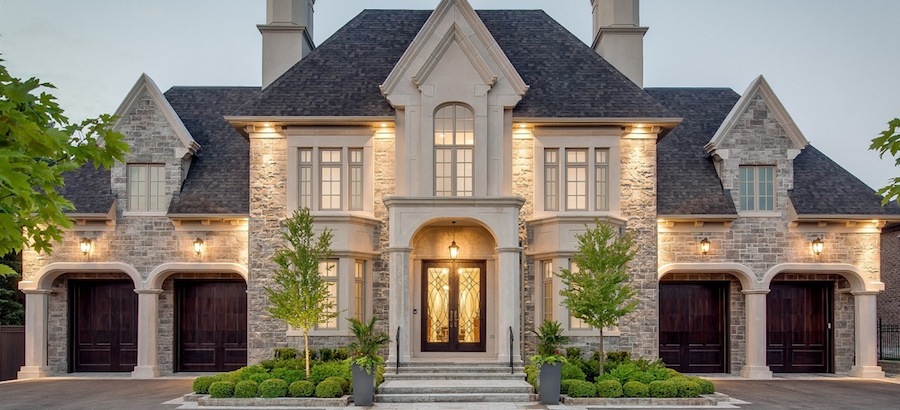
NORTH FACING HOMES
In Vastu Shastra, a direction’s impact is not universal—its suitability depends on an individual’s Ayurvedic constitution (Prakriti), planetary horoscope (Jyotish), and professional domain.
Because the North is governed by Mercury (Budh—the planet of intellect, speech, and finance) and Lord Kuber (the deity of wealth), North-facing properties naturally enhance analytical thinking, cash flow, communication, and commercial growth.
1. Recommended Professions & Businesses
Living in a North-facing property aligns exceptionally well with individuals in finance, commerce, and service-driven industries:
Finance & Commerce: Bankers, stockbrokers, accountants, financial advisors, and wealth managers.
Business & Trade: Entrepreneurs, merchants, import-export traders, and retail business owners.
Consultancy & Knowledge: Vastu consultants, astrologers, strategists, and counselors.
Hospitality & Services: Travel agency owners, hotel and restaurant operators, and healthcare professionals.
2. Compatible Astrological Signs (Rashis)
The Northern direction corresponds with the Water Element (Jal Tattva). Consequently, individuals born under Water Zodiac signs thrive exceptionally well in North-facing homes:
Cancer (Karka Rashi)
Scorpio (Vrishchik Rashi)
Pisces (Meen Rashi)
Vastu Consultant Online
SOUTH FACING HOMES
In Vastu Shastra, a South-facing home is governed by Mars (Mangal) and driven by the Fire Element (Agni Tattva). This direction represents authority, physical drive, fame, and decisive action. When properly aligned with auspicious Padas, a South-facing property generates powerful momentum for leadership and public recognition.
1. Ideal Professions & Business Domains
Because Mars imparts courage, power, and high vitality, living in a South-facing home is exceptionally beneficial for individuals in authoritative, high-impact, or creative fields:
Law, Defense & Public Service: Police officers, Administrative executives, military personnel, judges, lawyers, and security agency owners.
Healthcare & Surgery: Surgeons, physicians, and medical professionals who perform high-precision, life-saving work.
Media, Arts & Entertainment: Actors, musicians, performers, and public relations specialists (who thrive under the fame-granting Gruhakshat energy field).
Industry & Real Estate: Factory owners, industrial manufacturers, real estate developers, and property dealers.
2. Compatible Zodiac Signs (Rashis)
The intense fire energy of Mars is best balanced and grounded by Earth Element Zodiac Signs, which turn raw ambition into long-term stability and wealth:
Taurus (Vrishabha Rashi)
Virgo (Kanya Rashi)
Capricorn (Makar Rashi)
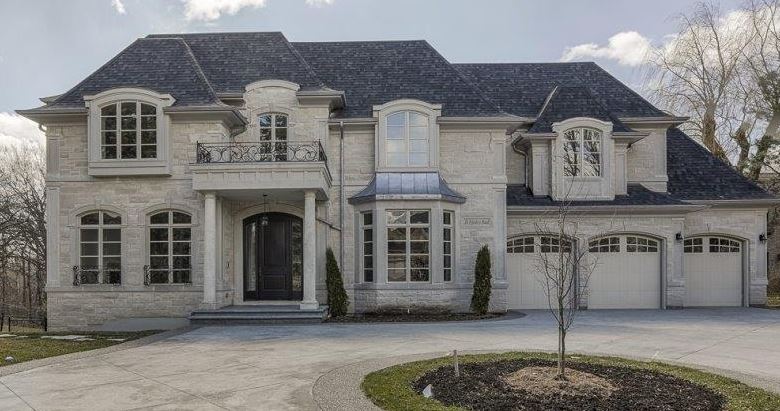
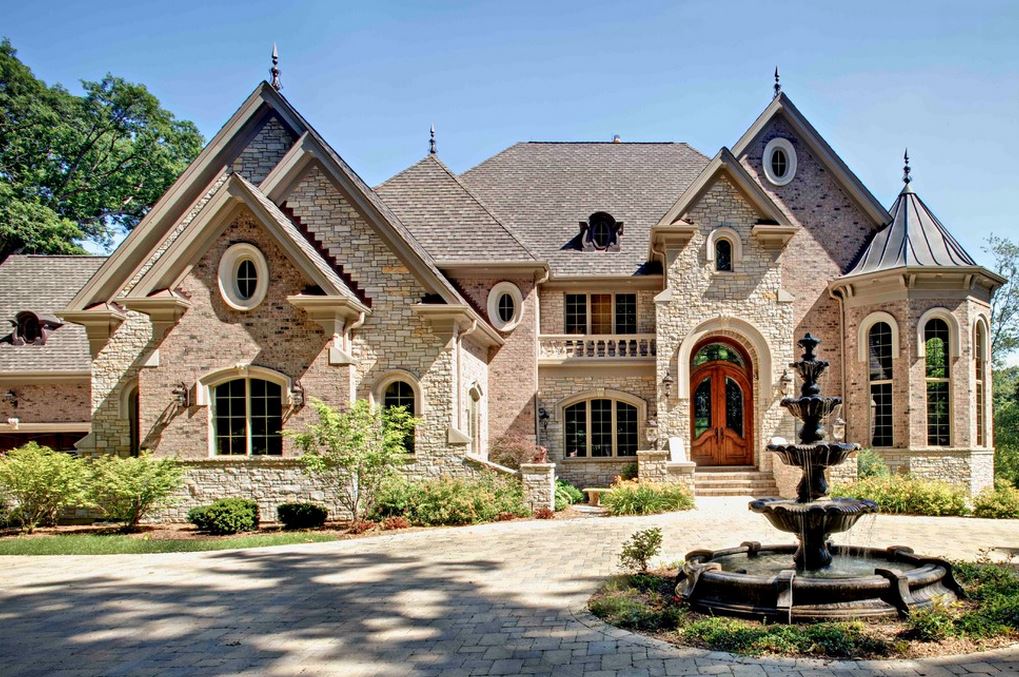
Vastu Consultant Online
EAST FACING HOMES
An East-facing home is governed by the Sun (Surya)—the ultimate source of energy, health, and leadership—and associated with the Air Element (Vayu Tattva), which represents fresh beginnings, mental agility, and social connections. When aligned with correct Vastu principles, living in an East-facing property amplifies authority, personal charisma, and creative success.
1. Ideal Professions & Business Domains
Due to the dual influence of solar authority and air-element creativity, an East-facing home is exceptionally beneficial for two primary professional streams:
Leadership & Public Authority (Sun Influence): Government officers, politicians, ministers, corporate directors, entrepreneurs, and industrial manufacturers who require high social influence and executive drive.
Creative & Dynamic Industries (Air Element Influence): Artists, musicians, dancers, photographers, creative writers, jewelry designers, event managers, and travel operators who rely on innovation, focus, and public outreach.
2. Compatible Zodiac Signs (Rashis)
The Sun rules fire and light, making an East-facing property naturally harmonious with Fire Element Zodiac Signs:
Aries (Mesha Rashi)
Leo (Simha Rashi)
Sagittarius (Dhanus Rashi)
3. Important Astrological Exception
While East-facing homes are generally highly auspicious, Vastu Shastra recommends checking your horoscope (Janma Kundali). If the Sun acts as a Maraka planet or occupies dusthana houses (6th, 8th, or 12th house relative to your ascendant), consult an Astro-Vastu expert before finalizing an East-facing property to ensure proper balancing remedies.
Vastu Consultant Online
WEST FACING HOMES
In Vastu Shastra, a West-facing home is governed by Lord Varuna (the deity of cosmic water and space) and ruled by Saturn (Shani). This direction symbolizes gains, discipline, analytical thinking, structure, and sustained effort. When built according to Vastu rules, a West-facing home brings long-term financial stability, professional authority, and recognition for hard work.
1. Ideal Professions & Business Domains
Because Saturn and Lord Varuna govern intellectual depth, service, research, and structured growth, living in a West-facing home is exceptionally beneficial across several key fields:
Law, Justice & Investigation: Lawyers, legal advisors, judges, private detectives, and investigators.
Healthcare & Wellness: Doctors, nurses, veterinarians, physiotherapists, psychologists, and social workers.
Technology, Finance & Education: IT professionals, R&D researchers, stock market traders, financial advisors, teachers, and tutors.
Real Estate & Hospitality: Real estate brokers, developers, restaurant owners, chefs, culinary experts, and landscape designers.
2. Compatible Zodiac Signs (Rashis)
The spatial and air-dominant energy of the West direction harmonizes exceptionally well with Air Element Zodiac Signs, enhancing their communication, strategic thinking, and social influence:
Gemini (Mithuna Rashi)
Libra (Tula Rashi)
Aquarius (Kumbha Rashi)
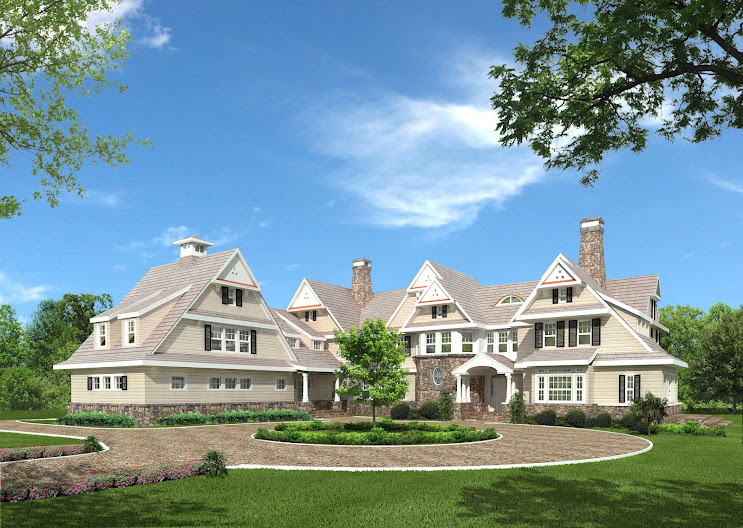
TORONTO VASTU CONSULTANT ONLINE FOR VASTU SOLUTIONS & WELLNESS ARCHITECTURE
Vastu Architect & Astrologer Yogiraj Sri
FAQ: Auspicious Vastu Solutions
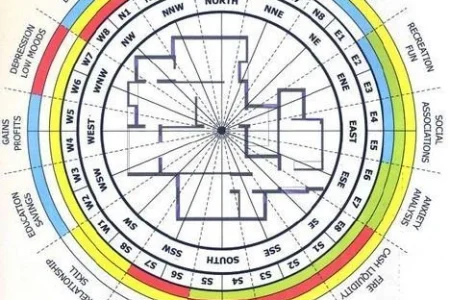
At the heart of Vastu Shastra is the Vastu Purusha Mandala—a sacred 9 x 9 cosmic energy grid containing 45 distinct energy fields (Devtas). This grid governs how elemental forces, geomagnetic fields, and solar energy flow through a built space.
1. The 4 Concentric Energy Zones (Vithis)
The energy matrix expands outward from the core in four distinct concentric enclosures:
Brahma Vithi (The Center): The sacred innermost core governed by Lord Brahma. It must always remain light, open, and free of heavy structures.
Deva Vithi (Divine Ring): The inner ring surrounding the center, radiating high-frequency spiritual energy.
Manushya Vithi (Human Ring): The middle ring surrounding the Deva Vithi, ideal for key human living and working spaces.
Paishacha Vithi (Peripheral Ring): The outermost boundary consisting of 32 perimeter divisions (Padas).
2. The 32 Outer Padas & Main Entrance Selection
The main entrance door or gate is always built along the outermost perimeter (Paishacha Vithi).
32 Energy Fields: The outer perimeter is divided into 32 equal energy fields (Padas), with a specific deity (Devta) presiding over each sector.
10 Highly Auspicious Entrances: Out of the 32 outer energy fields, only 10 specific Padas across the four cardinal directions are designated as highly auspicious for main door placement to ensure health, prosperity, and peace.
Out of the 32 perimeter energy fields (Paishacha Vithi) on the Vastu Purusha Mandala, choosing the correct Pada for your main door aligns your home with high-frequency cosmic and magnetic energy. These specific zones yield the best results for each orientation:
1. North-Facing Homes (Governance: Lord Kuber & Mercury)
Mukhya: Enhances business acumen, financial liquidity, and commercial success.
Bhallat: Attracts grand prosperity, career expansion, and unexpected gains.
Soma (Som): Invites mental tranquility, family peace, and spiritual clarity.
2. East-Facing Homes (Governance: Sun & Indra)
Jayant: Boosts social connections, enthusiasm, victory, and fresh beginnings.
Mahendra: Grants executive authority, public leadership, power, and high reputation.
3. South-Facing Homes (Governance: Mars & Yama)
Vitatha: Promotes financial stability, personal influence, and structural growth.
Gruhakshat: Drives fame, professional stability, and domestic harmony.
4. West-Facing Homes (Governance: Lord Varuna & Saturn)
Sugreev: Fosters steady wealth accumulation, partnership growth, and career gains.
Pushpadant: Delivers overall abundance, family happiness, and professional victory.
Varun: Balances financial progress with emotional harmony and relationship strength.
In Vastu Shastra, color is a visual light frequency that directly impacts living spaces. Colors interact with the five natural elements (Panchabhutas) and either amplify or suppress spatial energy.
Before painting any wall, map your floor plan using the Vastu Purusha Mandala grid to select shades that align with the specific energy field of each zone.
1. Why Grid Mapping Matters
Zonal Alignment: Every direction is governed by a distinct element (Fire, Water, Earth, Air, Space) and ruling planet.
Frequency Harmony: Applying colors without checking the Vastu grid can unintentionally introduce anti-elemental vibrations into an otherwise well-designed room.
2. Essential Color Conflicts to Avoid
Avoid Red & Yellow in the North: The North represents the Water Element and financial opportunity. Fire shades (Red, Deep Orange) and heavy Earth shades (Yellow) clash with Water energy, choking cash flow and growth.
Avoid Blue & Black in the South & South-East: The South and South-East (Agni Kon) are governed by the Fire Element. Water shades (Blue, Navy, Black) symbolically extinguish fire energy, leading to financial strain, low vitality, and domestic friction.
3. Strategic Color Application
Auspicious Pairing: A directionally accurate color palette activates latent positive energy, bringing mental clarity, emotional warmth, and commercial stability.
Inauspicious Clash: An incorrectly placed color acts as a subtle energy drain, even if the room’s physical structural layout is correct.
Interior space planning extends beyond functionality—the geometric shapes and physical materials of your furniture actively influence how energy circulates through each Vastu zone. Aligning shapes and elements with their corresponding directions prevents subtle energetic clashes and restores balance to the home.
1. Shape Geometry Across Vastu Zones
Every direction resonates with specific elemental geometry. Placing incompatible shapes in a zone can disturb its natural energy flow:
Avoid Circles & Triangles in the North: The North represents the Water Element and financial opportunity. Avoid round or triangular furniture and decor in this zone, as sharp angles (fire energy) and circular forms disrupt fluid financial growth.
Embrace Triangles in the South & South-East: The South-East (Agni Kon) and South are governed by the Fire Element. Triangular furniture, angular patterns, or pyramid-shaped accent pieces are highly auspicious here, as the triangle naturally reinforces fire element stability.
2. Material Selection: Wood vs. Metal
The physical composition of your furniture carries distinct elemental weights that must match the directional grid:
Wooden Furniture (North, East & South): Natural wood represents organic growth, warmth, and vitality. It is ideal for living rooms and bedrooms located in the North, East, and South sectors.
Metal Furniture (West Sector): Metallic materials (such as wrought iron, steel, or brass) reflect space and structural heaviness. Placing metal furniture in the West zone aligns perfectly with the stabilizing, space-dominant energy of Lord Varuna and Saturn.
Placing the right plants in directionally accurate zones harmonizes the five natural elements (Panchabhutas), purifies indoor air, and invites wealth, vitality, and peace into your living space.
Here are the most recommended indoor and balcony plants per Vastu Shastra, categorized by their core energy benefits:
1. Wealth & Prosperity Activators
Money Plant (Epipremnum aureum)
Best Location: South-East (Agni Kon)
Vastu Benefit: Governed by Venus and Lord Ganesha, it removes financial obstacles and activates a steady influx of wealth.
Tip: Train vines to grow upward along a support pole; downward-trailing vines symbolize financial drain.
Jade Plant (Crassula ovata)
Best Location: East or South-East
Vastu Benefit: Known as the “friendship tree” or “money magnet,” its succulent, coin-shaped leaves attract prosperity and long-term financial growth.
Tip: Keep near the main entrance or on an office desk.
Lucky Bamboo
Best Location: East (for family health) or South-East (for financial gains)
Vastu Benefit: Synthesizes the five core Vastu elements (Wood, Earth, Water, Fire, and Metal) to harmonize household vibrations.
2. Health, Vitality & Spiritual Harmony
Tulsi (Holy Basil)
Best Location: North, East, or North-East (Ishaan Kon)
Vastu Benefit: The most revered Vastu plant. It radiates high spiritual vibrations, destroys airborne bacteria, and brings overall family wellness.
Tip: Keep elevated on a clean pedestal and keep the area brightly lit.
Aloe Vera
Best Location: North or East
Vastu Benefit: Absorbs stagnant energy, releases oxygen continuously, and promotes physical healing and peace of mind.
Peace Lily
Best Location: South-East, West, or Bedroom sills
Vastu Benefit: Promotes emotional tranquility, aids restful sleep, and neutralizes environmental stress.
3. Protection & Air Purification
Snake Plant (Sansevieria)
Best Location: South, South-West, or West
Vastu Benefit: Acts as a protective energy shield, absorbing heavy toxins and deflecting negative vibrations (Sha Chi).
Areca Palm
Best Location: North, East, or South-East
Vastu Benefit: Softens heavy spatial corners, introduces high-oxygen air flow, and creates a welcoming, vibrant environment.
Whether you are designing a new floor plan or auditing an existing property, these five fundamental Vastu principles form the backbone of a balanced, prosperous, and peaceful home.
1. Main Entrance (Dwara) Placement
Choose Auspicious Energy Fields: Always align your main door with one of the 10 auspicious Padas on the outer perimeter of the Vastu Purusha Mandala.
Avoid South-West Doorways: Strictly avoid placing the primary entrance in the South-West (Nairitya) corner, as this zone leads to financial leakage and instability.
2. Bedroom Zoning & Stability
Master Bedroom (South-West): Position the head of the household’s master bedroom in the South-West sector to establish stability, authority, and healthy sleep patterns.
Secondary/Children’s Bedroom (North-West): Use the North-West sector for children’s or guest bedrooms to encourage positive movement and personal growth.
3. Kitchen Alignment & Elemental Fire
Primary Choice (South-East): Build the kitchen in the South-East (Agni Kon) corner to harness the natural fire element for health and financial vitality.
Secondary Choice (North-West): The North-West (Vayu Kon) serves as an excellent alternative if South-East is unavailable.
Strict Avoidance: Never place the kitchen in the North-East (water clash) or South-West (earth/fire clash).
4. Puja Room & Spiritual Orientation
Locate in North-East (Ishaan Kon): Build your prayer or meditation room in the North-East corner. This high-frequency spiritual sector maximizes positive energy, peace of mind, and clarity.
5. Protecting the Center (Brahmasthan)
Keep the Core Open: The exact middle zone of the house is the Brahmasthan—the spatial heart of the property.
No Heavy Structures: Never build load-bearing walls, heavy concrete pillars, staircases, or toilets in this central zone. Keep it light, clutter-free, and open to allow energy to circulate freely throughout the home.
Introducing, “You to You”.
Astrologer Yogiraj Sri Sandeep Singh is with a singular mission: for Total Well Being of the Worlds.
Get your free Janam Kundali (Birth Chart) by sending your name, date of birth, time of birth and place of birth.
- Toronto Vastu Architect, Vastu Consultant Online
- torontovastuarchitect [at] gmail [dot] com
- +1 647 247 7601