TORONTO VASTU ARCHITECT
Vastu Architect & Astrologer Yogiraj Sri
VASTU for Business
Toronto Vastu Consultant Online
FOR HEALTH, WEALTH AND WELLNESS IN YOUR LIFE
VASTU SHASTRA & WELLNESS ARCHITECTURE
Land for Business as per VASTU
Selecting the right piece of land is the foundation of any commercial enterprise. In Vastu Shastra, plot geometry directly influences corporate authority, cash flow, and market dominance.
For business owners and corporate leaders, the most auspicious commercial land layout is the Sher Mukhi (Lion-Faced) Plot.
1. What is a Sher Mukhi Plot?
Shape Geometry: A Sher Mukhi plot is noticeably wider at the front (the entrance facade) and narrower at the back.
Symbolic Power: Named after the lion (Sher), this shape embodies strength, control, high efficiency, and market leadership.
2. Why Sher Mukhi Plots Drive Business Success
Attracts Opportunities & Cash Flow: The broad front acts as an energy funnel, drawing in high customer footfall, investor confidence, and continuous financial opportunities.
Establishes Market Dominance: The lion’s symbolic energy empowers business owners with strong leadership, sharp decision-making, and competitive advantage.
Fosters Operational Control: The narrowing rear zone helps retain capital, concentrate management authority, and prevent unnecessary financial leaks.
Vastu Rule: While Sher Mukhi plots are exceptionally powerful for commercial buildings, offices, and retail hubs, they should be paired with auspicious directional entrance facing (North, East, or West) for maximum prosperity.
Direction of Office Building as per VASTU
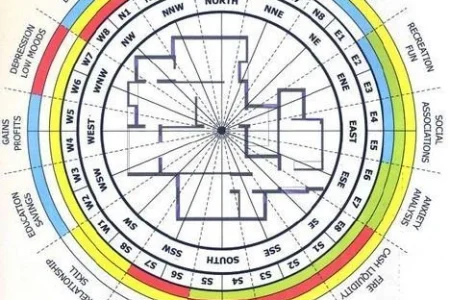
In Vastu Shastra, every cardinal and intercardinal direction carries a distinct energy frequency. Aligning your building orientation with your specific business model creates an environment that accelerates growth, attracts clients, and secures capital.
1. Directional Alignment by Business Sector
North (Wealth & Financial Growth): Governed by Lord Kuber (the custodian of wealth), the North direction represents capital, new trade opportunities, and abundance. Building a North-facing office is ideal for corporate headquarters, financial institutions, trading firms, and companies seeking high commercial liquidity.
East (Service Industry & Public Relations): Governed by the Sun, the East represents brand authority, innovation, and social connection. It is the perfect orientation for service-oriented businesses, consultancies, tech companies, and media houses that rely on strong customer networking.
South-East (Cash Flow & Financial Operations): Governed by Goddess Lakshmi and the Fire Element (Agni Kon), the South-East sector controls active liquidity. It is the most auspicious zone for accounting offices, cash counters, financial execution departments, and revenue management teams.
Entrance of Business as per VASTU
The main entrance of an office serves as the primary gateway for energy, clients, capital, and trade opportunities. Choosing the correct door placement ensures that your hard work translates into sustained profits, operational efficiency, and market expansion.
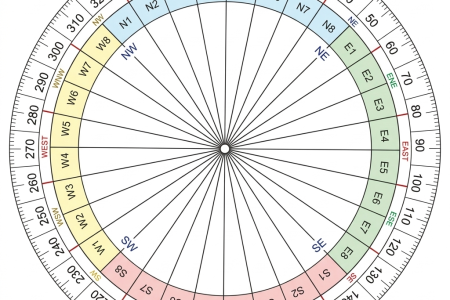
1. The 32 Outer Entrances (Padas)
In Vastu Shastra, the perimeter of any office layout is divided into 32 distinct energy fields (Padas)—with 8 entrance zones assigned to each of the four cardinal directions (North, East, South, and West).
Specific Placement Matters: Not every door in a given direction yields positive results. Only specific auspicious Padas activate financial success and executive authority.
Industry-Specific Alignment: The ideal entrance zone varies depending on your specific business sector, business model, and operational goals.
2. Debunking Common Office Vastu Myths
Myth: “An office entrance must always face North or East to be successful.”
Vastu Reality: Not all North or East doors are beneficial—placing a door in an inauspicious Pada in the North or East can lead to financial losses or communication breakdowns.
Myth: “South and West entrances are always bad for business.”
Vastu Reality: South and West entrances are highly auspicious when positioned on their designated positive Padas. A properly placed South-facing door commands power and market leadership, while an auspicious West-facing door drives long-term capital retention and trade gains.
Business owner office as per VASTU
The business owner/CEO commands the vision, stability, and growth of an enterprise. Because executive decisions directly impact the entire organization, the business owner’s cabin must be positioned within a strong, high-stability energy field.
1. Optimal Cabin Location
Primary Choice (South-West Sector): Place the business head’s cabin in the South-West (Nairitya) zone. This area represents the Earth element, granting firm authority, grounding, sound financial judgment, and operational stability.
Secondary Choice (South Sector): If South-West is unavailable, the South direction serves as an excellent alternative, promoting leadership drive, courage, and market reputation.
2. Seating Position & Facing Direction
Facing Direction: While working at the desk, the boss should face North, East, or North-East. Facing North attracts financial opportunities, while facing East fosters visionary planning and strategic clarity.
Backing & Support: The back of the chair should rest against a solid wall facing South or South-West. Avoid having a main entrance door, glass window, or open doorway directly behind the executive chair.
3. Room Geometry & Structural Rules
Square or Rectangular Layout: Ensure the cabin shape is strictly square or rectangular. Avoid odd, cut, or irregular room shapes, which cause mental confusion and inconsistent decision-making.
Avoid Overhead Beams: Never position the executive desk directly under an overhead concrete beam. Overhead beams cast heavy structural pressure, leading to unneeded mental stress and fatigue.
Toilet Alignment: Ensure washroom or toilet doors do not open directly in front of or face the executive desk to prevent negative energy drains.
Staircase in office building as per VASTU
In commercial real estate, staircases represent heavy physical weight and constant movement. Placing stairwells in directionally correct zones ensures structural stability, protects capital, and maintains smooth vertical movement throughout the building.
1. Staircase Locations
Ideal Zones (South-West, South, West & East): Constructing staircases in the South-West (Nairitya), South, or West sectors is highly auspicious. Because these zones benefit from structural heaviness, placing stairwells here grounds executive power and protects long-term wealth. The East sector can also serve as a suitable secondary choice.
Critical Avoidances (North-East & Center): Never build a staircase in the North-East (Ishaan Kon) or the Center (Brahmasthan) of the office. Placing heavy concrete stairwells in these sensitive zones blocks cosmic energy, leading to financial stagnation and unexpected losses.
2. Ideal Color Selection for Office Stairwells
Stairwells should feel bright, welcoming, and open to encourage light, continuous energy flow:
Recommended Light Shades: Paint stairwell walls and railings with light, subtle colors such as off-white, cream, light beige, soft gray, or pastel tones.
Avoid Dark & Heavy Tones: Strictly avoid dark or harsh colors like black, navy blue, and deep red. Dark shades create visual heaviness and energetic friction in narrow transit areas.
General considerations for office as per VASTU
Implementing key Vastu principles in your office layout boosts team productivity, streamlines operations, and protects commercial assets. Follow these core practices to build a balanced, high-performance workspace.
1. Workstation Layout & Desk Alignment
Staff Seating Zones: Position general employee workstations in the West or South sectors to encourage discipline, focus, and consistent output.
Solid Wall Backing: Ensure desks are backed by a solid wall rather than open walkways or windows. A firm wall behind the back fosters organizational support, strengthens stability, and minimizes workplace friction and politics.
2. Client Reception & Visitor Experience
Receptionist Orientation: Design the reception desk so the receptionist faces North or East while interacting with visitors. This invites positive communication and leaves a strong first impression.
Visitor Seating Zone: Place guest sofas and lounge seating in the North or East zones. This ensures visitors face South or West during discussions, creating favorable negotiation dynamics.
3. Technology, Assets & Central Space Planning
Electronics & Electrical Equipment (South-East): Install heavy electronics, computer servers, Wi-Fi routers, and power panels in the South-East (Agni Kon) corner to harness fire energy and prevent technical glitches.
Cash Locker & Core Documents (South-West): Store company financial safes, cash lockers, title deeds, and critical corporate documents in the South-West corner to ensure financial retention and security.
Partner Cabins: Provide individual cabins for business partners to maintain personal clarity, strategic harmony, and mutual respect.
Open Central Hub (Brahmasthan): Keep the center of the floor plan clear of heavy walls, concrete columns, or storage units to allow spatial energy to circulate freely across all departments.
Vastu Consultant Online
Restaurant's/Banquet Hall's as per VASTU
A restaurant designed around Vastu Shastra principles creates an inviting atmosphere that stimulates appetite, improves guest satisfaction, and drives repeat business. Aligning your dining space, kitchen, and payment counter ensures steady customer turnover and smooth operations.
1. Main Entrance & Cashier Placement
-
Main Entrance: Position the primary entrance facing North or East, both of which attract positive customer footfall and commercial success in the food service industry.
-
Cashier Orientation:
-
North-Facing Property: Place the cash counter in the North-West quadrant, with the cashier facing East.
-
South or West-Facing Property: Place the cash counter in the South-West quadrant, with the cashier facing East.
-
East-Facing Property: Position the cash desk so the cashier faces North or East.
-
2. Kitchen Zone & Cooking Orientation
-
Primary Kitchen Location (North-West – Air Zone): Chefs should face North while cooking to encourage food quality and turnover speed.
-
Secondary Kitchen Location (South-East – Fire Zone): Chefs should face East while cooking to harness natural fire energy.
-
Live Counters & BBQ / Tandoori Stations: Place open grills, fryers, or tandoori ovens near the front of the premises in either the South-East or North-West zones.
3. Food Display, Storage & Water Features
-
Dessert & Bakery Displays: Position cake, sweet, and pastry display cases in the North-West zone to encourage impulse purchases and quick inventory turnover.
-
Dry Storage & Pantry: Store bulk grain, groceries, and heavy foodstuffs in the South, West, or South-West sectors to ensure abundance and stability.
-
Water Elements & Wash Basins: Place decorative fountains or water bowls in the North-East (Ishaan) corner. Position guest wash basins along the North or East walls.
-
Restrooms: Locate toilets along the South-East, South, West, or North-West perimeter, keeping them separate from dining areas.
4. Dining Furniture & Color Science
-
Table Geometry: Use strictly square or rectangular dining tables to promote energetic stability and comfortable conversations.
-
Appetite-Enhancing Palette: Use red or maroon tablecloths, seat covers, or accent walls to stimulate appetite and create a warm, lively dining experience.
Vastu Consultant Online
Medical Clinic's as per VASTU
While medical science provides the treatment, environmental harmony and cosmic forces accelerate patient healing. Because hospitals, medical centers, and clinics naturally absorb heavy stress and illness, applying Vastu principles neutralizes stagnant negative vibrations and fosters a calm, therapeutic environment.
1. Entrance & Waiting Area Layout
Primary Entrance: Position the main doorway in the North-East, East, or North to instil hope, peace, and confidence in arriving patients. Secondary acceptable choices include South-East, South, or West.
Waiting Lounge: Place patient waiting seats in the North-East or North zones to keep visitors calm and composed. Avoid locating the waiting area in the South-East (Agni Kon), as fire energy increases irritability and anxiety.
2. Doctor’s Consultation Cabin & Examination Rules
Consultation Zone: Locate the primary doctor’s cabin in the South-West, South, or West sector to establish diagnostic authority, focus, and stability.
Seating & Facing Orientation: The physician should face North-East or East while consulting to maximize concentration and diagnostic clarity.
Doctor’s Chair & Decor: Avoid using black, dark gray, or deep blue chairs, carpets, or flooring, as these shades induce low energy and visual depression.
Examination Bed: Position the examination table in the North-West corner of the treatment room. Patients should lie down with their head pointing East and feet pointing West to align with natural magnetic healing forces.
3. Operating Theaters, Dispensary & Restroom Avoidances
Operating Theater: Place surgical suites and procedure rooms in the North-East sector to leverage high-frequency cosmic energies for recovery.
Pharmacy & Medicine Counter: Position the pharmacy or medicine dispensing desk in the South-East zone (the fire element governs energy transformation and vitality).
Restroom Exclusions: Strictly avoid placing toilets in:
Center (Brahmasthan): Triggers friction between physicians and patients.
North-East (Ishaan): Damages professional reputation, spiritual energy, and financial stability.
South-West: Causes capital drain and operational setbacks.
4. Color Science, Wall Art & Water Elements
Healing Palette: Paint consultation and waiting walls in light green, soft pink, or light blue to provide a cooling, stress-reducing ambiance. Avoid dark yellow and sterile stark white, which can elevate nervous tension.
Wall Decor: Display cheerful, calming natural landscapes and scenic artwork.
Water Elements: Place a peaceful fountain in the North-East corner to soothe nervous tension. Avoid keeping fish aquariums in medical clinics
Vastu Consultant Online
Factory Land as per VASTU
In industrial real estate, selecting the right land is the single most critical factor determining long-term production output, operational efficiency, and profitability. A plot aligned with Vastu principles naturally attracts market dominance, smooth logistics, and continuous financial expansion.
1. Plot Geometry & Shape Dynamics
Shermukhi (Lion-Faced) Shape: A land parcel that is wider at the front and narrower at the rear is ideal for manufacturing units. This shape acts as an energy funnel, attracting large corporate orders, high trade volumes, and market authority.
North-East Extension: Industrial plots that naturally extend toward the North-East (Ishaan Kon) attract high cosmic energy, fostering technological innovation, workplace safety, and steady cash flow.
2. Terrain Slope, Soil Quality & Connectivity
Auspicious Land Slopes: Ensure the natural gradient or slope of the land dips toward the North, East, or North-East. Slopes tilting toward these directions encourage liquid capital flow and smooth production cycles.
Red Soil Advantage: Land with naturally red-colored soil carries strong Earth and Fire energy (Agni/Prithvi), making it exceptionally fertile for heavy manufacturing, smelting, and machinery operations.
Multi-Side Road Access: Industrial plots surrounded by 3 or 4 roads allow unhindered energy circulation, easy heavy-vehicle movement, and flexible logistics access for raw materials and finished goods.
Vastu Consultant Online
Factory Entrance as per VASTU
The main gate of a manufacturing plant acts as the primary gateway for industrial energy, raw materials, labor, and commercial dispatch. Because industrial complexes often require multiple entry and exit points, aligning every gate with its precise energy zone ensures continuous operational flow, worker safety, and profit stability.
1. Mapping the Energy Grid (Vastu Purusha Mandala)
Before marking a factory entrance, the Vastu Purusha Mandala grid must be superimposed onto the exact plot boundary. This maps out 45 internal energy fields, surrounded by 32 outer perimeter zones (Padas).
The 9 Auspicious Gates: Out of the 32 perimeter Padas, only nine specific energy fields are considered auspicious for an industrial main entrance.
Avoiding Random Gate Placement: Placing a heavy factory gate in an inauspicious Pada can trigger machine breakdowns, labor disputes, shipping delays, or cash flow bottlenecks.
2. Directional Gate Alignment & Auspicious Padas
North-Facing Factory:
Auspicious Padas: Mukhya, Bhallat, Soma
Business Impact: Drives commercial liquidity, high profit margins, and smooth cash flow.
East-Facing Factory:
Auspicious Padas: Jayant, Mahendra
Business Impact: Strengthens brand reputation, government compliance, and market dominance.
South-Facing Factory:
Auspicious Padas: Vitatha, Gruhakshat
Business Impact: Boosts operational vigor, production speed, and long-term industrial stability.
West-Facing Factory:
Auspicious Padas: Pushpadant, Varun
Business Impact: Secures capital retention, steady export orders, and strong trade partnerships.
TORONTO VASTU CONSULTANT ONLINE FOR VASTU SOLUTIONS & WELLNESS ARCHITECTURE
Vastu Architect & Astrologer Yogiraj Sri
Introducing, “You to You”.
Astrologer Yogiraj Sri Sandeep Singh is with a singular mission: for Total Well Being of the Worlds.
Get your free Janam Kundali (Birth Chart) by sending your name, date of birth, time of birth and place of birth.
- Toronto Vastu Architect, Vastu Consultant Online
- torontovastuarchitect [at] gmail [dot] com
- +1 647 247 7601