TORONTO VASTU ARCHITECT
Vastu Architect & Astrologer Yogiraj Sri
VASTU Do's & Don't for Home
Designing your home layout according to Vastu Shastra creates a balanced environment that promotes health, prosperity, and peace of mind. Here is a room-by-room guide to auspicious directions and key rules to follow:
1. Master Bedroom:
Best Directions: South-West (ideal for stability), West, West-of-South-West, North, or North-West.
Key Rule: Never sleep with your head pointing toward the North, as it disturbs your body’s magnetic balance and sleep quality.
2. Kitchen (Fire Zone):
Best Directions: South-East (Agni Kon) is the primary fire zone. South-of-South-East, West, and North-West are also great alternatives.
Avoid: Do not construct a kitchen in the North, North-East, or East directions to prevent elemental conflict between fire and water.
3. Living Room:
Best Directions: North, East, or North-West, depending on your home’s facing orientation.
Key Rule: Keep this space well-lit, clutter-free, and inviting, as it governs social interactions and family harmony.
4. Staircase Placement:
Best Directions: South, South-West, or West zones, which easily absorb heavy structural weight.
Avoid: Never place stairs in the North-East (Ishaan) zone, which must remain light, open, and clear.
5. Puja Room (Mandir):
Best Directions: North-East (Ishaan) is the ultimate direction for spiritual energy. The West zone is an excellent second option.
Key Rule: Keep the prayer area quiet, clean, and elevated above ground level.
6. Dining Room:
Best Directions: West, East, or South zones.
Key Rule: Position the dining area as close to the kitchen as possible for maximum comfort and flow.
7. Toilets & Bathrooms:
Best Directions: West-North-West (WNW), South-South-West (SSW), and East-South-East (ESE) are ideal for toilets. The East or East-of-North-East zones are suitable for bathing areas.
Avoid: Strictly avoid building toilets or bathrooms in the North-East (Ishaan) corner.
Toronto Vastu Consultant Online
FOR HEALTH, WEALTH AND WELLNESS IN YOUR LIFE
VASTU SHASTRA & WELLNESS ARCHITECTURE
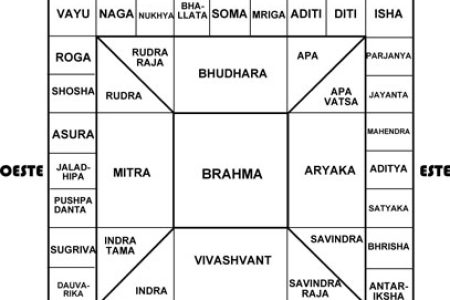
Land Shape as per VASTU
Selecting the right plot shape is one of the foundational steps in Vastu Shastra. According to classical Vastu texts like the Mayamatam, the geometric shape and proportions of land influence the energy flow of a site—and specific plot ratios uniquely support different professions.
1. Square Plots (1:1 Ratio)
Ideal For: Teachers, scholars, researchers, and intellectuals.
Vastu Significance: A square plot has four equal sides and 90 degree right-angled corners. It represents ultimate stability, balance, and wisdom, making it perfect for mental clarity and academic growth.
2. Rectangular Plots & Career Proportions
In rectangular land, the ratio between length (L) and breadth (B) plays a vital role in career success:
For Salaried Employees (Government & Private Sector):
Ideal Proportion: L = B + B/8 (Length slightly exceeds breadth by 1/8).
Benefit: Provides stability, steady career progression, and job security.
For Business Owners & Entrepreneurs:
Ideal Proportion: L = B + B/6 (Length exceeds breadth by 1/6).
Benefit: Encourages commercial growth, financial liquidity, and trade expansion.
For Tradespeople & Physical Labor Professionals:
Ideal Proportion: L = B + B/4 (Length exceeds breadth by 1/4).
Benefit: Boosts physical stamina, stamina, and operational balance.
Practical Land Selection Tip
Finding a plot with mathematically perfect 90 degree corners and exact parallel sides can be challenging in modern real estate. If a flawless square or rectangle isn’t available, always select a plot that closely resembles a regular square or rectangle, and avoid irregular, triangular, or oddly cut shapes.

Selection of Apartments/Condos as per VASTU
A common question among homebuyers is whether ancient Vastu principles apply to modern multi-story apartments—especially since ancient texts focus primarily on ground plots.
The short answer is yes, absolutely.
The Science Behind Apartment Vastu: The Magnet Analogy
To understand why Vastu works for apartments, think of how a magnet behaves:
If you take a large bar magnet and break it into four smaller pieces, you don’t destroy its magnetism—instead, each smaller piece becomes a complete, independent magnet with its own North and South poles.
The exact same rule applies to real estate:
When a large piece of land or multi-story building is divided into individual flats (whether a 1 BHK, 3 BHK, Duplex, or Penthouse), each flat becomes a self-contained energy ecosystem.
The specific built-up area within your main front door functions as an independent Vastu unit, complete with its own cardinal directions, center point (Brahmasthan), and elemental energies.
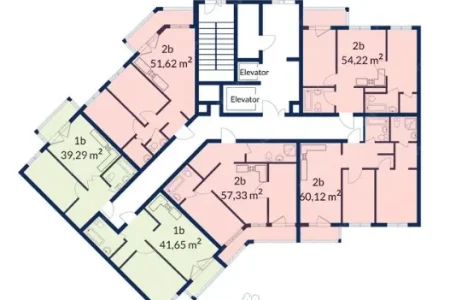
Guidelines for selection of Apartment/Condos as per VASTU
When builders design high-rise apartments and standalone condos, their primary focus is maximizing usable square footage—not energy alignment. Because a Vastu-compliant apartment costs the exact same as one with major Vastu defects, evaluating a property before signing the agreement is the smartest decision a homebuyer can make.
Our comprehensive 8-Step Scientific Vastu Evaluation systematically analyzes any apartment floor plan to ensure peace, prosperity, and long-term health for your family:
Our 8-Step Flat Vastu Evaluation Process
Accurate Directional Orientation:
Pinpointing exact cardinal directions using degree-based compass readings rather than rough estimates.
Main Entrance Audit (32-Pada System):
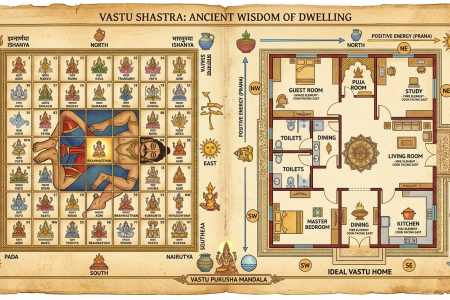
Evaluating the front door against the 32 outer energy fields of the Vastu Purusha Mandala to confirm it lies in an auspicious zone for wealth and success.
Five Elements Mapping (Panchatattva):
Distributing and balancing the five core elements—Water, Air, Fire, Earth, and Space—across the flat’s floor plan.
16-Zone Architectural Audit:
Reviewing room functions (kitchen, master bedroom, toilets, living areas) across all 16 directions (360 degree) to eliminate structural conflicts.
Vastu Purusha Mandala Analysis:
Mapping the 45 cosmic energy fields onto the apartment grid to ensure crucial energy nodes (Marma Points) remain unblocked.
Astrological Alignment (Astro-Vastu):
Checking how the flat’s layout aligns with the primary occupants’ birth charts for personalized prosperity and health.
House Number Numerology:
Analyzing the flat and door numbers to ensure they resonate positively with the family members’ personal numbers.
Interior & Decor Balance:
Reviewing interior colors, wall paints, furniture arrangements, mirror placements, and decorative items to fine-tune daily energy flow.

Auspicious Trees and Plants as per VASTU
Vegetation acts as a natural energy booster in Vastu Shastra. By aligning the Five Elements (Earth, Water, Fire, Air, and Space), trees and plants clear environmental stress, support physical longevity, and attract prosperity to the household.
Auspicious Directional Placements for Sacred Trees
Certain large trees carry strong elemental energies and yield maximum benefits when planted in their designated cardinal directions:
Banyan Tree (East Zone):
Vastu Benefit: Planting a Banyan tree toward the East nurtures health, vitality, and family growth, laying a foundation for lasting success across generations.
Peepal Tree (West Zone):
Vastu Benefit: Placing a Peepal tree in the West supports mental peace, financial stability, and steady career advancement.
White Fig / Itthi Tree (North Zone):
Vastu Benefit: Growing a White Fig tree (Ficus virens) in the North invites material abundance, financial growth, and household stability.
Highly Beneficent Garden Trees & Flora
Coconut Tree (The Divine Wish-Fulfilling Tree):
Traditionally compared to Kalpavriksha (the celestial tree of abundance), the coconut tree is one of the most auspicious plants to grow near a residence. It brings divine protection, peace, and steady prosperity.
Mango Trees & Flowering Plants:
Sweet-bearing trees like Mango, along with vibrant flowering plants, uplift the surrounding atmosphere, encouraging positive energy, happiness, and harmonious living
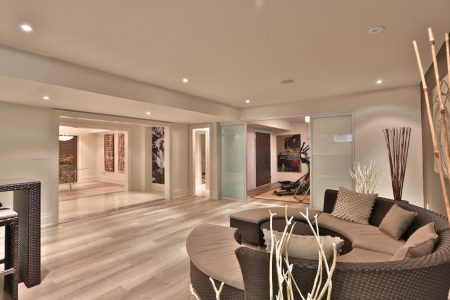
Peaceful & Welcoming Living Room in Home as per VASTU
The living room is the energetic heart of the home—where family members reconnect after a long day and guests are welcomed. Designing this space according to Vastu Shastra creates a relaxing atmosphere that nurtures family harmony, joy, and meaningful social connections.
1. Best Directions for the Living Room
North or East Zones:
Placing the living room in the North or East allows fresh energy, natural light, and positive social vibes to flow freely through the home, making conversations pleasant and relaxing.
2. TV & Entertainment Systems Placement
Ideal Position (South-East Zone):
Televisions, sound systems, and electronic appliances generate heat and electrical energy, making the South-East (Fire element zone) the best location for entertainment setups.
Zones to Avoid:
North-East: Avoid placing electronics here, as it interferes with the peaceful, spiritual water energy of the room.
South-West: Keep electronics out of this zone to prevent unnecessary family distractions and mental restlessness.
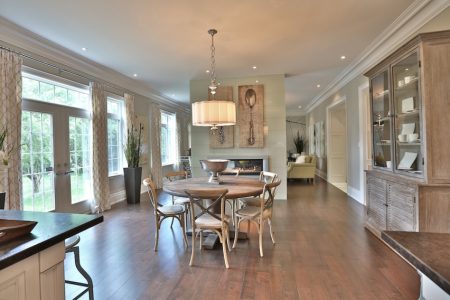
Nourishing Dinning Room in Home as per VASTU
The dining room is the energetic center for health, nutrition, and family bonding. Designing a dining space according to Vastu Shastra promotes good digestion, fosters warm conversations, and attracts vitality into the household.
1. Ideal Location Based on Kitchen Placement
The position of your dining room should harmonize with your kitchen setup for smooth energy flow:
East Dining Area: Best when the kitchen is situated in the South-East (Fire element zone).
West Dining Area: Best when the kitchen is situated in the North-West (Air element zone).
2. Seating Orientation During Meals
Facing East or West: Family members should ideally face East (promotes health and good digestion) or West (supports prosperity and vitality) while eating.
Avoid Distractions: Seating should allow everyone to enjoy meals peacefully without looking directly into dark corridors or bathroom entrances.
3. Decor & Dining Mindset
Appetite & Vitality Decor: Keep a bowl of fresh, vibrant fruits on the dining table or display artwork depicting lush landscapes and colorful fruits to stimulate appetite and symbolize abundance.
Keep the Table Dedicated to Meals: Avoid using the dining table as a temporary home office, study desk, or dumping ground for paperwork. Blending work stress with mealtime disrupts both focus and healthy digestion.
Kitchen in Home as per VASTU
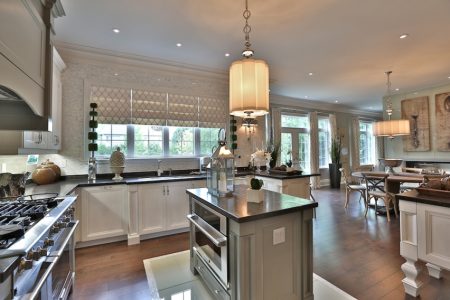
In Vedic philosophy, health is the cornerstone of all prosperity—without good health, no success can be fully enjoyed. While Ayurveda balances the internal energies of the human body, Vastu Shastra balances the external energies of the home. Where these two ancient sciences meet is the kitchen, the true heart of family vitality and digestive strength (Jatharagni).
1. Kitchen Placement & Cooking Directions
The location of your kitchen and the direction you face while preparing meals directly affect the nourishing quality of your food:
South-East Kitchen (Primary Fire Zone / Agni Kon):
Cooking Direction: Face East while cooking.
Vastu Benefit: East represents solar energy and vitality. Facing East aligns your cooking with morning sunlight, promoting longevity, strong digestion, and physical strength for the entire household.
North-West Kitchen (Secondary Air Zone):
Cooking Direction: Face North or East while cooking.
Vastu Benefit: Facing North encourages clarity and smooth family interactions, making it an excellent secondary choice for apartment layouts.
2. Essential Kitchen Layout & Energy Rules
Honor the Fire Element: Fire governs the digestive system and metabolic health. Keeping your stove in the South-East zone keeps the home’s vitality active and balanced.
Maintain Privacy from the Entrance: Position the kitchen so it is not in the direct line of sight of the front door. Keeping the cooking area tucked away protects meal preparation from chaotic outside energies and maintains a tranquil atmosphere.

Master Bedroom in Home as per VASTU
A couple’s bedroom is the foundation of emotional trust, mutual respect, and long-term stability in a home. Even when partners are deeply compatible, spatial imbalances in the home can create unnecessary friction, restlessness, or misunderstandings. Aligning the master bedroom with Vastu Shastra helps preserve harmony and emotional well-being.
Why the South-West Corner (Nairitya Kon) is Ideal
Grounded in the Earth Element: The South-West direction is governed by the Earth element, representing weight, stability, leadership, and permanence.
Strengthens Relationships: Placing the master bedroom in the South-West grounds the couple’s energy, fostering deep emotional bonding, clear communication, and mutual trust.
Establishes Authority: As the corner of strength and stability, the South-West master bedroom should always belong to the head of the household or the primary couple.
Prayer/Puja Room in Home as per VASTU
The prayer room is the spiritual power-center of your home. After the master bedroom, it is the most vital space for attracting peace, positive vibrations, and mental clarity. Designing your puja room according to Vastu principles ensures that divine energy flows unimpeded throughout your living space.
1. Ideal Placement & Location
North-East Zone (Ishaan Kon):
The North-East is the sacred sector of any property, governed by spiritual light and high cosmic energy.
Ground Floor Preference:
Whenever possible, place the puja room on the ground floor to anchor its spiritual energy to the foundation of the home.
2. Idol Placement & Prayer Orientation
Facing Direction:
Set up the altar along the West wall so that idols and sacred photos face East. When praying, the worshiper should ideally face East (toward the rising sun) or North.
3. Separate Deities from Ancestor Photos
Keep Ancestors Separate:
Do not place photographs of deceased family members inside the altar alongside divine deities.
Proper Ancestor Placement:
Ancestoral photos belong on the South or South-West wall outside the main mandir area.
4. Cleanliness & Weight Balance
Keep It Light & Open:
The North-East zone represents the head of the Vastu Purusha. Keep this space light, airy, and completely free from heavy storage cabinets, clutter, or overhead beams.
VASTU and The Golden Ratio
Toronto Vastu Consultant Online
VASTU & The Feng Shui
From the desk of Yogiraj Sri
Vastu Shastra: The Ancient Science of Wellness Architecture
1. Sthapatya Veda (Vedic Architecture & Structural Engineering)
The Connection: Vastu Shastra is a direct sub-branch (Upaveda) of Sthapatya Veda.
Role in Vastu: It provides technical rules for civil construction, foundation depth, load distribution, carpentry, town planning, and durable building materials.
2. Ayurveda (Vedic Health & Longevity Science)
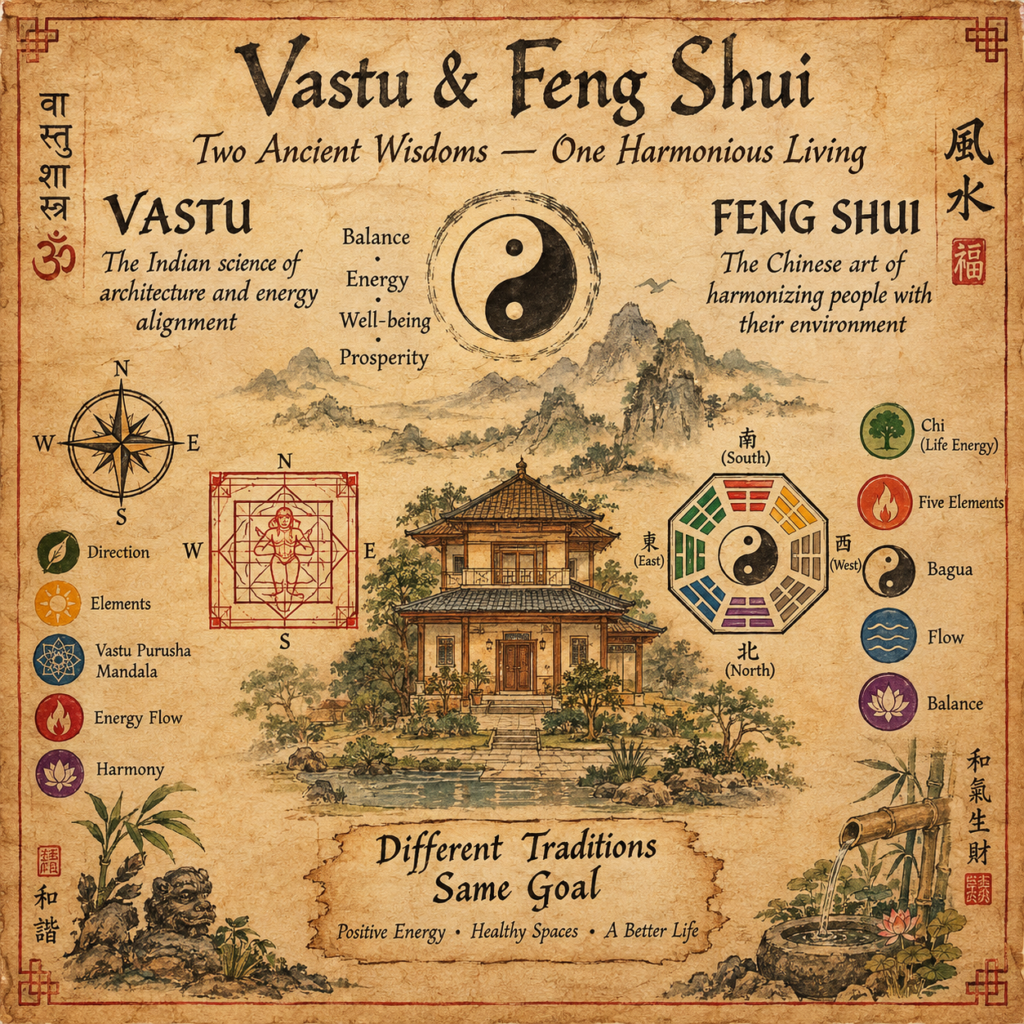
The Connection: Both sciences operate on the Panchatattva (Five Elements: Earth, Water, Fire, Air, and Space).
Role in Vastu: While Ayurveda balances the internal metabolic energies (Doshas: Vata, Pitta, Kapha) inside the human body, Vastu balances the external environmental elements in a building to support physical health, mental calm, and strong digestion.
3. Jyotish Shastra (Vedic Astrology / Astro-Vastu)
The Connection: Space and time are intrinsically linked; the positions of planets at an individual’s birth influence how they respond to directional energies.
Role in Vastu: Astro-Vastu maps an occupant’s astrological birth chart onto their property layout, ensuring specific rooms and zones align with their personal planetary strengths.
4. Khagola Shastra (Vedic Astronomy)
The Connection: Ancient architects systematically tracked solar paths, Earth’s axial tilt, magnetic poles, and seasonal shadow patterns.
Role in Vastu: Dictates building orientation to capture beneficial morning ultraviolet rays, optimize natural ventilation, and shield against harsh afternoon solar heat.
5. Sacred Geometry & Vedic Mathematics (Shulba Sutras)
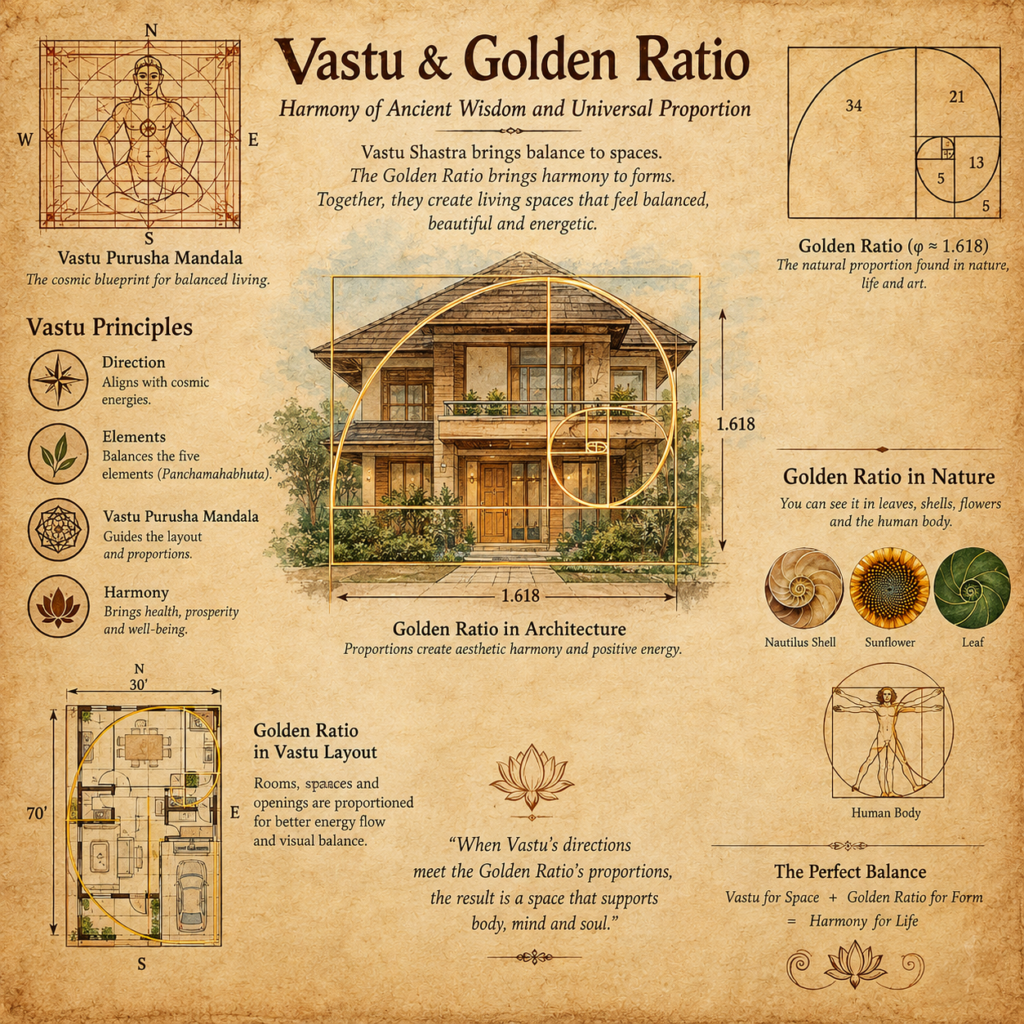
The Connection: Ancient mathematical texts like the Shulba Sutras laid the foundation for geometric proportions, fractals, and golden ratios.
Role in Vastu: Governs the Vastu Purusha Mandala—a 9×9 (81-grid) or 8×8 (64-grid) energy matrix used to calculate structural dimensions, doorway alignments, and room proportions.
6. Yoga Shastra & Subtle Energy Systems (Chakra Science)
The Connection: Buildings are viewed as living energy bodies (Prana) that mirror human anatomy.
Role in Vastu: The major energy intersections (Marma Points) in a building’s Vastu grid correspond to the subtle energy channels (Nadis) and chakras in human body mechanics, ensuring structural pillars or walls do not obstruct vital energy flow.
TORONTO VASTU CONSULTANT ONLINE FOR VASTU SOLUTIONS & WELLNESS ARCHITECTURE
Vastu Architect & Astrologer Yogiraj Sri
FAQ: Auspicious Vastu Solutions
Introducing, "You to You"
Astrologer Yogiraj Sri Sandeep Singh is with a singular mission: for Total Well Being of the Worlds.
Get your free Janam Kundali (Birth Chart) by sending your name, date of birth, time of birth and place of birth.
- Toronto Vastu Architect, Vastu Consultant Online
- torontovastuarchitect [at] gmail [dot] com
- +1 647 247 7601